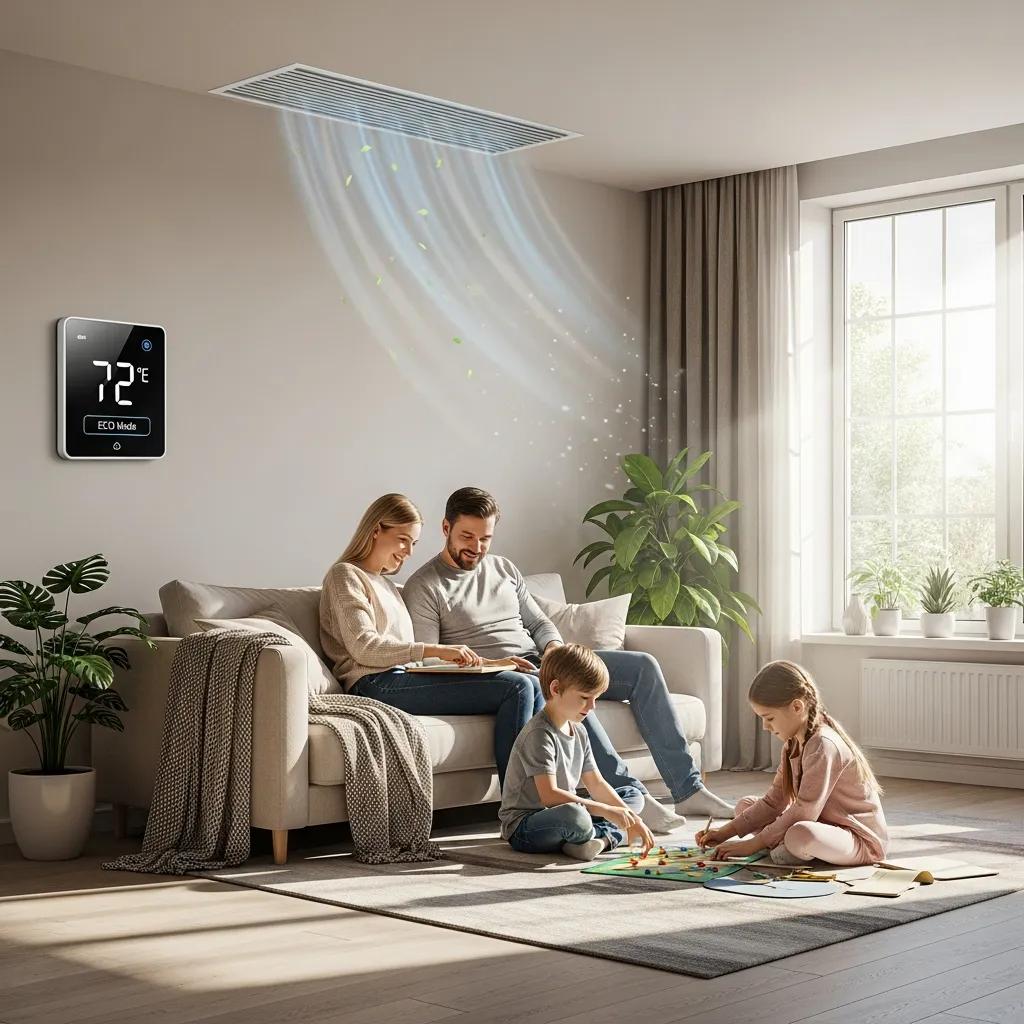
Top HVAC Energy-Saving Tips to Cut Costs and Lower Your Utility Bills
Keeping your HVAC system running efficiently is one of the simplest and most effective ways to reduce your monthly energy expenses without compromising on comfort. This comprehensive guide provides practical and easy-to-follow tips to enhance your heating, ventilation, and air conditioning performance. By implementing these strategies, your home will remain comfortable while your energy costs decrease. Many households lose money due to outdated equipment, unnoticed leaks, and skipped maintenance, but with the right approach, you can recover those savings and enjoy a more efficient system. We will explore regular maintenance routines, energy-smart system options, the benefits of a home energy audit, financing assistance for upgrades, and seasonal checklists to keep your HVAC system operating optimally throughout the year.
How does regular HVAC maintenance boost energy efficiency?
Routine maintenance is essential to ensure your HVAC system operates at peak efficiency, which helps reduce energy consumption. Scheduling regular inspections and tune-ups allows professionals to identify and address minor issues before they escalate into major energy drains. A professional inspection can uncover hidden problems that may be causing your system to work harder than necessary, and they can recommend effective solutions that lower energy use and save you money over time.
What does Climate Experts' VIP Maintenance Plan include?
Climate Experts Heating, Ventilation, and Air Conditioning offers a VIP Maintenance Plan designed to provide scheduled checklists and priority service to its members. This plan helps reduce operating costs by ensuring your equipment is properly tuned and maintained. Members benefit from faster service during peak seasons and experience fewer unexpected breakdowns. With this plan, homeowners gain peace of mind knowing their HVAC system is well cared for and running more efficiently, which contributes to long-term savings and comfort.
Which DIY HVAC maintenance tasks actually save energy?

Homeowners can perform several simple maintenance tasks themselves to help keep their HVAC systems running efficiently. These actions not only save energy but also extend the life of your equipment. Key tasks include:
- Changing filters: Regularly replacing your HVAC filters is crucial to maintaining proper airflow and system efficiency. Dirty filters restrict airflow, forcing your system to work harder and consume more energy, so timely filter changes can significantly improve performance and reduce costs.
- Cleaning coils: Dirt and debris on evaporator and condenser coils reduce the system’s ability to cool and heat effectively. Cleaning these coils ensures your HVAC unit operates smoothly, which helps maintain optimal energy use and improves overall comfort in your home.
- Checking insulation: Inspecting the insulation around your ducts and sealing any gaps prevents conditioned air from escaping. Proper insulation reduces energy loss, allowing your HVAC system to maintain desired temperatures more efficiently and lowering your utility bills.
What are the most energy-efficient HVAC systems for your home?
Choosing the right HVAC system is critical for achieving long-term energy efficiency and cost savings. Different types of systems offer varying levels of energy efficiency and installation costs, so it’s important to consider energy ratings and potential lifetime savings before making a purchase. Selecting an energy-efficient system can lead to substantial reductions in your energy consumption and monthly bills.
| System Type | Energy Efficiency Rating | Estimated Annual Savings |
|---|---|---|
| Heat Pumps | 15-20 SEER | Moderate to high savings depending on usage and climate |
| Central AC | 14-22 SEER | Moderate savings with proper maintenance |
| Ductless AC | 20-30 SEER | Higher savings potential for targeted cooling |
Heat pumps are particularly notable because they transfer heat instead of generating it, providing efficient heating and cooling in a single unit. This makes them a smart and energy-conscious choice for many homeowners looking to reduce their utility bills while maintaining comfort year-round.
How do heat pumps help lower utility bills?
Heat pumps operate by transferring heat rather than producing it, which typically results in lower energy consumption compared to traditional heating systems. Since they use electricity to move heat, they can significantly reduce both heating and cooling costs. Modern heat pump models are designed to perform efficiently in milder climates and many newer versions are capable of handling colder temperatures effectively, offering homeowners a reliable and energy-saving solution.
What are the benefits of installing a smart thermostat?

Smart thermostats provide both convenience and measurable energy savings by allowing you to control your HVAC system more precisely. With a smart thermostat, you can:
- Control temperature remotely: Adjust your home’s temperature settings from anywhere using your smartphone or other connected devices. This flexibility helps you avoid wasting energy when you’re away and ensures your home is comfortable when you return.
- Track energy usage: Monitor your energy consumption patterns to identify opportunities for further savings. Many smart thermostats provide detailed reports and insights that help you make informed decisions about your heating and cooling habits.
- Automate scheduling: Program your thermostat to follow your daily routine automatically, reducing energy waste by adjusting temperatures when rooms are unoccupied. This automation optimizes comfort while minimizing unnecessary energy use.
How can a home energy audit optimize your HVAC system?
A home energy audit evaluates your entire home to identify areas where energy is being lost or wasted. During an audit, professionals assess insulation quality, detect air leaks, and analyze your HVAC system’s performance. Based on their findings, they provide recommendations for the most effective upgrades and improvements to enhance your home’s energy efficiency.
By uncovering simple fixes and targeted upgrades, a professional energy audit can help you achieve significant and measurable energy savings. This process ensures that your HVAC system operates more efficiently, reducing your energy bills and improving overall comfort.
What happens during a professional HVAC energy assessment?
A professional HVAC energy assessment involves a thorough inspection of your system and home environment. Inspectors typically focus on several key areas, including:
- Air leaks: Identifying gaps in ductwork and around the building envelope that allow conditioned air to escape, which increases energy consumption and reduces comfort.
- System performance: Evaluating how efficiently your heating and cooling equipment operates to determine if it is functioning optimally or requires maintenance or upgrades.
- Recommendations: Providing clear, prioritized steps and solutions that you can implement to improve your system’s efficiency and reduce energy waste.
How do air leaks and insulation affect HVAC efficiency?
Air leaks and inadequate insulation force your HVAC system to work harder and run longer to maintain consistent indoor temperatures. This increased workload leads to higher energy consumption and elevated utility costs. By sealing leaks and improving insulation, you reduce the strain on your HVAC system, enhance indoor comfort, and lower your energy bills over time.
What financing and promotions make energy-saving HVAC upgrades affordable?
Upgrading to more energy-efficient HVAC equipment often requires an initial investment, but there are many financing options, rebates, and incentives available to help offset these costs. These programs can make it easier and more affordable to improve your home’s energy efficiency while accelerating your return on investment.
Which affordable financing options does Climate Experts offer?
Climate Experts Heating, Ventilation, and Air Conditioning provides a variety of affordable financing options designed to assist homeowners in moving forward with energy-efficient upgrades. These options include flexible payment plans and low-interest loans, allowing you to enhance your home’s comfort and energy savings without a significant upfront financial burden.
What rebates and incentives should homeowners look for?
Homeowners should explore several common incentives that can help reduce the overall cost of HVAC upgrades. These include:
- Utility company rebates: Many local utility providers offer rebates for purchasing and installing energy-efficient HVAC systems, helping to lower your initial expenses.
- Government incentives: Federal and state programs often provide tax credits or rebates for qualified energy-saving upgrades, making these improvements more affordable.
- Manufacturer promotions: HVAC brands frequently run special discounts or promotional offers on new equipment, which can further reduce your costs.
By researching and combining these available programs, you can significantly decrease the amount you pay out of pocket for your HVAC improvements.
How can seasonal HVAC checklists maximize energy savings all year?
Following seasonal maintenance checklists is an effective way to prevent minor issues from turning into costly repairs and to keep your HVAC system running efficiently throughout the year. Regular seasonal care helps your system adapt to changing weather conditions and maintain optimal performance.
What are essential tune-up tasks for spring and fall?
Key seasonal maintenance tasks include:
- Spring: Clean outdoor units to remove debris and dirt buildup, check refrigerant levels to ensure proper cooling capacity, inspect ductwork for leaks or damage, and test cooling performance to prepare for warmer months.
- Fall: Replace air filters to maintain airflow, test heating systems to confirm they are working efficiently, seal any air leaks to prevent heat loss, and inspect furnace components to avoid breakdowns during colder weather.
How does seasonal maintenance extend equipment life and cut costs?
Performing regular seasonal maintenance reduces wear and tear on your HVAC equipment by addressing small problems before they escalate. This proactive approach helps your system run more efficiently, which lowers energy consumption and utility bills. Additionally, well-maintained equipment tends to have a longer service life, resulting in fewer repairs and reduced long-term costs.
Take the Next Step Toward Energy Savings Today
Ready to improve your home’s comfort and reduce your energy bills? Contact Climate Experts Heating, Ventilation, and Air Conditioning to learn more about our maintenance plans, energy-efficient systems, and financing options. Our team is here to help you make smart choices that save money and enhance your living environment. Schedule Your Consultation.