




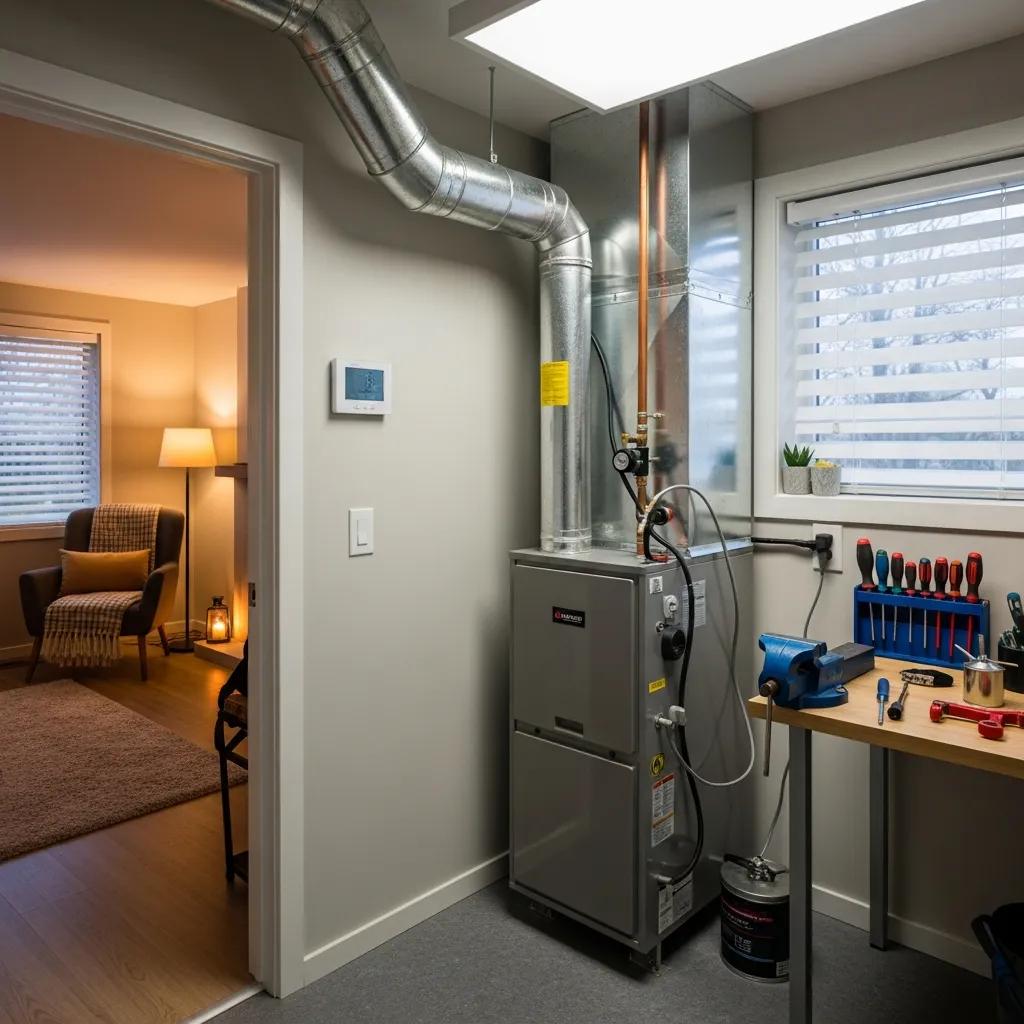
Your Houston Heater Maintenance Checklist — Furnace & Heat Pump Tune-Up Guide
This checklist lays out the inspections, service steps, and safety checks that keep furnaces and heat pumps running safely and efficiently. For Houston homeowners, a complete tune-up cuts energy waste, steadies indoor comfort through humid summers and brief cold snaps, and lowers the chance of surprise breakdowns or hazards like carbon monoxide. In this guide you’ll find safe DIY tasks you can do between visits, a clear look at what technicians do during a professional tune-up, timing and cost tips for Greater Houston, and guidance on when to call a pro. We walk through filter and thermostat care, what to expect from a service visit, when to schedule before cold weather, and how maintenance plans and financing protect your investment.
Why Regular Heater Maintenance Matters for Your Home or Business
Regular heater maintenance means inspecting, cleaning, testing, and adjusting key components so your system stays safe, efficient, and dependable. Catching wear, dirt, or small faults early reduces energy use, extends equipment life, and prevents failures during peak demand. In Houston, seasonal humidity, pollen, and occasional cold stretches make proactive upkeep especially important for indoor air quality and steady comfort. Below we outline the direct benefits and show how routine service keeps small issues from becoming big, costly problems.
An annual heater service delivers several practical benefits for homeowners and small businesses across Greater Houston:
- Lower energy bills and better efficiency from clean parts and correctly adjusted controls.
- Improved safety by detecting cracked heat exchangers, combustion problems, and carbon monoxide risks.
- Greater reliability and longer equipment life by replacing worn parts and preventing premature failure.
Those advantages explain why a scheduled tune-up is more than convenience—it’s smart risk management and cost control. Next, we’ll list the main gains you can expect from yearly service.
Key Advantages of an Annual Heater Service
A yearly tune-up restores peak performance: technicians clean burners, check combustion, replace or inspect filters, and calibrate controls to reduce fuel or electricity use. They measure output and airflow to confirm the unit runs within expected ranges, which typically lowers monthly bills. Service also includes safety checks like carbon monoxide testing and limit-switch verification to protect people and reduce liability. With better combustion and airflow, motors and heat exchangers see less stress, which helps delay expensive replacements.
These maintenance steps also cut the chance of emergency repairs, which are disruptive and usually cost more than planned service. Next we explain how routine upkeep prevents common breakdowns.
How Maintenance Stops Costly Breakdowns
Regular maintenance finds worn or marginal parts—weak capacitors, failing motors, clogged filters—before they fail entirely. For example, a dirty filter raises static pressure, making the blower overheat; replacing the filter breaks that chain. During tune-ups, technicians spot early corrosion on heat exchangers, loose electrical connections, and ignition wear so repairs are targeted and less expensive. Inspections also verify refrigerant levels for heat pumps, burner cleanliness, and gas pressure, all of which reduce part failures and emergency calls.
Proactive service converts unpredictable, higher-cost emergency work into scheduled, budgetable maintenance. The next section lists safe DIY tasks homeowners can do between professional visits.
Essential DIY Heater Maintenance Tasks for Houston Homeowners

You can keep your system running smoother by handling a few safe, high-impact tasks yourself. DIY maintenance focuses on airflow, simple safety checks, and keeping the area around equipment clear—small efforts that make a measurable difference. Doing these between professional tune-ups preserves efficiency and reveals warning signs that should trigger a technician call. The sections below cover changing filters, checking thermostat accuracy, clearing vents and outdoor units, and testing carbon monoxide detectors.
If a task requires opening gas lines, electrical access panels, or internal components, call a licensed technician—especially for systems under warranty or when safety controls are involved. Climate Experts Heating, Ventilation, and Air Conditioning recommends leaving safety-critical inspections and complex diagnostics to trained pros to protect your warranty and keep everyone safe.
How to Change Air Filters and Improve Airflow
Changing air filters is one of the most effective homeowner tasks. Find the filter at the return grille or inside the furnace cabinet, turn the system off, note the filter size and airflow arrow, slide out the old filter, and insert the correct replacement with the arrow pointing toward the system. In Houston, 1–3 inch pleated filters typically need replacing every 1–3 months depending on pets, allergies, and pollen levels. Higher-MERV filters trap more particles but may need more frequent changes to avoid restricting airflow. Keep a simple log of dates so you don’t forget—the habit preserves airflow and protects the blower motor.
Regular filter changes improve indoor air quality and reduce the chance of forced-air component failure. After filters, check your thermostat to make sure the system responds properly.
How to Check and Calibrate Your Thermostat
Thermostat checks ensure the system kicks on and off at the right times. Place an independent room thermometer near the thermostat and compare readings; replace batteries and review program or vacation schedules to avoid unintended operation. For programmable or smart thermostats, confirm schedules match your occupancy and enable energy-saving features without sacrificing comfort. If the thermostat reads several degrees off, try its calibration routine or call a technician to check sensors or wiring—misreading thermostats cause inefficient cycling and higher bills.
A correctly calibrated thermostat works hand-in-hand with mechanical maintenance to keep your home comfortable and efficient. Next, clear vents and the area around outdoor units for better performance.
How to Clear Vents and Clean Around the Outdoor Unit
Blocked vents and a cluttered outdoor unit cut airflow and reduce heat exchange. Vacuum supply and return registers, move furniture or rugs that block flow, and inspect grilles for damage. For outdoor heat pump units, keep at least two feet of clearance from plants and debris—trim grasses and branches, and gently remove leaves or mulch while power is off. Signs of restricted airflow include cold rooms, short-cycling, or rising energy use; often, fixing vents or the outdoor footprint resolves these issues.
Keeping vents and the outdoor area clear helps the system run efficiently and eases the technician’s work during tune-ups. After clearing, test your carbon monoxide detectors to protect the household.
How to Test Carbon Monoxide Detectors
Carbon monoxide (CO) detectors are a vital safety layer for homes with combustion heating. Test detectors monthly using their test button, replace batteries at least once a year or per the manufacturer’s guidance, and replace the entire unit every 5–7 years depending on model recommendations. Install detectors on each level near sleeping areas—typically within 10–20 feet of bedrooms. If a CO alarm sounds, evacuate immediately and call emergency services before re-entering. If a detector indicates elevated CO or fails testing, schedule a professional furnace inspection and combustion analysis right away.
Working detectors protect occupants and support the technician’s internal checks on heat exchanger integrity during professional maintenance.
What a Professional Heater Maintenance Checklist Covers

A professional checklist is a methodical series of diagnostics, cleaning, and adjustments technicians use to return systems to safe, efficient operation and document condition. Typical tasks include visual inspections, combustion and CO testing, lubrication of moving parts, electrical safety checks, airflow measurement, and focused cleaning of burners and heat exchangers. Technicians identify worn parts, correct gas pressure or refrigerant levels, and provide a prioritized repair list with estimates to avoid surprises. Below we explain how a full inspection is done and why items like the heat exchanger and controls get careful attention.
Before the table below: the checklist maps major system components to the technician’s checks and the expected result or action.
| Component inspected | What the technician checks | Expected result or action |
|---|---|---|
| Heat exchanger | Signs of cracks, corrosion, and pressure integrity | Repair or replace if compromised to prevent CO leaks |
| Burners / combustion chamber | Cleanliness, flame pattern, and combustion efficiency | Clean and adjust for safe, efficient combustion |
| Blower motor & fan | Motor amperage, belt/shaft wear, and airflow | Lubricate or replace parts to restore proper airflow |
| Electrical controls & wiring | Connection tightness, relay operation, and limit switches | Tighten, repair, or replace controls for safe operation |
| Ductwork & airflow | Leaks, insulation, and static pressure | Seal, insulate, or recommend balancing/cleaning as needed |
How Technicians Perform a Full System Inspection
A full inspection follows a clear sequence: initial safety lockout checks, visual review, startup and monitoring, combustion and CO testing for gas systems, then final performance verification. Technicians check flame quality, gas pressure and ignition sequencing, measure outlet temperatures and static pressure, and test thermostats and safety controls for reliable cycling. Tools like combustion analyzers and digital manometers give precise efficiency and airflow readings that guide adjustments, cleaning, or part replacement. Written documentation from the inspection helps you understand system health and prioritize repairs or upgrades.
Accurate measurements and clear reports let homeowners make informed decisions about repairs and expected outcomes. Next we’ll explain why inspecting and cleaning the heat exchanger and burners is critical.
Why Heat Exchanger and Burner Cleaning Are Critical
The heat exchanger and burners directly influence combustion safety and efficiency. Soot, corrosion, or cracks in the heat exchanger can allow carbon monoxide into living spaces. Dirty or corroded burners produce uneven flames and incomplete combustion, reducing heat transfer and increasing risk. Professional cleaning restores correct flame pattern and heat transfer, while visual and pressure checks uncover early signs of exchanger failure. Given the safety stakes, inspection and cleaning of these components are essential parts of any thorough tune-up.
Addressing combustion issues during maintenance lowers health risk and preserves system performance. After those items, technicians move to electrical and safety controls.
Which Electrical and Safety Controls Are Checked
Technicians inspect limit switches, relays, ignition systems, wiring connections, and safety interlocks to verify the electrical control path is reliable. Loose connections, corroded terminals, and worn relays can cause intermittent faults or prevent safe shutdowns, so tightening, cleaning, or replacing components is routine. Measuring motor amperage and control voltages helps catch impending failures before they cause a breakdown. Confirming electrical safety closes the loop on mechanical and combustion checks and reduces the chance of emergency service calls.
Electrical checks complete the tune-up and support a documented, safe return to service. The final professional step often covers duct inspection and balancing.
How Ductwork Is Professionally Inspected and Maintained
Duct inspection looks for leaks, insulation gaps, blockages, and register balance so conditioned air reaches living spaces efficiently. Technicians may use smoke pencils, pressure testing, or infrared tools to find leaks and quantify duct loss. When leakage or poor insulation is found, sealing, re-insulating, or targeted cleaning is recommended to boost efficiency and indoor air quality. Balancing dampers and removing major restrictions restores even airflow and improves overall comfort.
Good duct maintenance addresses hidden energy loss and ensures the benefits of a mechanical tune-up are delivered to occupied rooms.
When to Schedule Heater Maintenance and Tune-Ups
Timing your service properly keeps systems reliable and avoids peak-season delays. We recommend scheduling an annual inspection before the first sustained cold stretch—typically early fall in Houston—so technicians can catch issues while they have availability and parts lead times are favorable. Homes with heavy use, pets, or allergy sensitivities may benefit from mid-season filter reviews or brief operational checks. The sections below explain recommended service frequency and the best calendar window to get ready for winter.
Planning ahead preserves technician availability and helps avoid last-minute emergency premiums. Next we cover how often to schedule service.
How Often Should You Service Your Furnace or Heat Pump?
We recommend at least one professional inspection per year. Heat pumps are best serviced twice yearly—pre-winter and pre-summer—because they run year-round for heating and cooling. Homes with heavy use, indoor pets, or occupants with respiratory sensitivities may need filter changes and intermediate checks every 3–6 months. Equipment older than 10–15 years or systems showing frequent fault codes also benefit from more frequent professional attention. Maintenance plans can automate reminders so inspections happen on schedule without you having to track them.
Regular service reduces unexpected failures and aligns preventive care with warranty and manufacturer guidance. Next we’ll cover the ideal timing for pre-winter preparation in Houston.
Best Time to Prepare Your Heating System for Winter
The ideal window for a pre-winter tune-up in Houston is early fall—September through early November—before sustained lower temperatures and increased heating demand. Scheduling then lets technicians perform combustion checks, clean critical components, and verify thermostat programming before any cold snaps that trigger urgent service requests. Avoiding late November and December appointments reduces exposure to high demand and part shortages. Early-fall service also gives you time to enroll in a maintenance plan or arrange financing if repairs are needed.
Planning ahead improves reliability and gives you time to budget for any recommended work without facing immediate cold-weather discomfort.
How Much Does Heater Maintenance Cost in Houston and What Are Your Options?
Costs vary by system type, age, and scope. A routine annual tune-up typically includes inspection, basic cleaning, filter check, and safety tests; repairs or part replacements increase the final price. Factors that affect cost include furnace vs heat pump complexity, component accessibility, diagnostic time, and parts required—an on-site estimate gives the clearest pricing for your equipment. Maintenance plans and service agreements offer predictable budgeting, priority scheduling, and repair discounts that can offset plan fees over time. Climate Experts Heating, Ventilation, and Air Conditioning offers maintenance-plan options and financing to help homeowners spread costs and secure priority service—ask about these during a free estimate or service visit.
Below is a quick comparison of common service options and what each delivers.
| Service Option | What’s included | Value proposition / benefit |
|---|---|---|
| Annual Tune-Up | Inspection, basic cleaning, safety tests, filter check | Restores efficiency and catches issues early |
| Maintenance Plan | Scheduled tune-ups, priority service, discounts on repairs | Predictable budgeting and faster emergency response |
| Emergency Repair | On-call diagnosis and repair outside business hours | Quick restoration of service when you need it most |
Average Costs for Tune-Ups and Repairs
Tune-up prices depend on local market rates and system type; a basic safety inspection and tune-up usually costs less than a repair involving parts replacement or combustion work. Repair costs range widely—simple sensor or switch replacements are relatively inexpensive, while heat exchanger or compressor replacements are major expenses. Because costs depend on the onsite diagnosis, getting a free, in-person estimate is the best first step. A clear quote helps you plan timing and financing if needed.
An on-site estimate prevents surprises and lets you budget for repairs. Maintenance plans further smooth cost and scheduling through routine service.
How Maintenance Plans and Service Agreements Save Money
Maintenance plans bundle scheduled inspections, priority emergency response, discounted repairs, and a documented service history so small issues don’t turn into major expenses. With priority scheduling, plan members avoid busy-season delays and get faster emergency response when systems fail. Discounts on parts and labor lower repair costs over the system’s life, and regular servicing helps maintain energy savings year after year. Signing up before heating season ensures your system is on a documented maintenance schedule and often includes seasonal reminders for filters and performance checks.
If you value predictable costs, quicker emergency service, and long-term savings from consistent upkeep, a maintenance plan is worth considering. Next we cover financing options for larger repairs.
Financing Options for HVAC Services in Greater Houston
Financing helps homeowners address major repairs or replacements without delaying necessary work. Options may include short-term interest-free plans or longer-term schedules with fixed monthly payments to match your budget. Financing makes sense when a major repair or replacement exceeds available cash and helps avoid unsafe deferred fixes. Ask about financing during your free estimate so you understand options and approval timing before work begins.
When evaluating financing, request a detailed estimate and compare plan terms to choose the option that best balances cost, urgency, and long-term value.
Why Choose Climate Experts HVAC for Heater Maintenance?
Climate Experts Heating, Ventilation, and Air Conditioning serves Greater Houston neighborhoods—Cypress, Katy, Spring, and Houston—with practical service designed for homeowner peace of mind. We offer free estimates, 24/7 emergency service, financing options, and full-service capabilities—installation, repair, and maintenance—for residential and light commercial customers. If you want one local partner for scheduled maintenance plans, emergency response, and financing advice during estimates, Climate Experts is set up to provide safety-first tune-ups and straightforward support.
Our service offerings tie directly to the DIY steps and technician checklist above and make it simple to turn maintenance recommendations into scheduled work.
What Makes Climate Experts a Trusted Heating Service in Houston?
Climate Experts focuses on residential and light commercial HVAC in Greater Houston and highlights customer-friendly options like free estimates and 24/7 emergency service when systems fail. We handle installation, repair, and maintenance, and promote financing and maintenance plans to help customers manage costs and secure priority scheduling. Serving Cypress, Katy, Spring, and Houston, our local experience with regional weather and common equipment issues helps us deliver reliable comfort and sensible recommendations. For homeowners who want professional, locally focused service with clear payment and scheduling choices, Climate Experts provides the practical options to get work scheduled and completed.
These service features support customers who prefer bundled maintenance, emergency readiness, and predictable financing. The section below explains how to schedule a free estimate.
How to Schedule a Free Estimate or Service Appointment
To schedule a free estimate, request an appointment through contact page. Tell us about your system, describe any symptoms, and request an on-site inspection. During the free estimate, a technician evaluates your system, delivers a written inspection report, and outlines recommended maintenance or repairs plus available maintenance-plan and financing options. Ask about priority scheduling and 24/7 emergency response if you want faster access during peak demand, and mention any budget concerns so we can review plan and financing choices. Booking a pre-winter tune-up in early fall helps secure your appointment before cold snaps arrive.
Use the free estimate as the first step toward a tailored service plan and financing conversation that fits your equipment and budget.
Maintenance and safety go hand in hand: routine DIY care, timely professional inspections, and smart use of maintenance plans and financing preserve comfort, reduce costs, and protect occupants. Follow this heater maintenance checklist and you’ll see better energy performance, fewer emergency repairs, and a safer home.
Conclusion
Regular heater maintenance is key to safety, efficiency, and reliability—especially in Houston’s climate. Follow a complete checklist and schedule professional inspections to cut energy costs and avoid costly breakdowns. Consider enrolling in a maintenance plan for consistent care and added peace of mind. Contact Climate Experts today to explore service options that keep your heating system running reliably.